[ Queen Village General Contractor ]
General Contractor in Queen Village.
Some of the oldest housing stock in Philadelphia — which means some of the most demanding renovation work in the city. In Queen Village, craftsmanship isn't a selling point; it's the entry fee.
- Licensed & insured — with historic-review experience where blocks require it
- We build here — our rehab with a second-floor addition is two blocks off the Delaware
- Itemized free estimates — old-house allowances priced honestly, not discovered later
- Owner on every project — 200-year-old structures get the patience they demand
Get Your Free Queen Village Estimate
Tell us the basics — we'll call you back within one business day with next steps and a walkthrough time.
Prefer a faster answer? Price your project in 60 seconds →
[ Queen Village, By the Numbers ]
We Know This Territory Cold.
- Age of the neighborhood's oldest housing stock
- 200+ yrs
- The ZIP we serve, river to Passyunk
- 19147
- Blocks off the Delaware — our rehab with a second-floor addition
- 2
- Jobs we'll run without an L&I permit
- 0
Fact worth knowing: parts of Queen Village sit under historic-district review, where exterior changes need commission approval before L&I issues permits. We confirm your block's status at the estimate stage — before design gets ahead of approvals.
[ Word on the Block ]
What Queen Village Neighbors Say.
-
Our 1800s rowhome needed everything and deserved better than a flip job. They kept the brick, the character, and our sanity.
Beth C.Historic gut renovation
-
Second-floor addition without losing the streetscape. Neighbors stopped to say the facade looks like it was always there.
David F.Second-floor addition
-
Two baths on one tight schedule before a baby arrived. They finished a week early. A week early.
Lauren M.Two bathrooms
Building in Queen Village
Queen Village was a neighborhood before the United States was a country, and its houses remember. Trinities and rowhomes here can predate indoor plumbing by a century — hand-hewn framing, soft colonial-era brick, walls that were never plumb and floors that were never level, with two hundred years of renovations layered inside them like tree rings. Working in these buildings is a different trade from renovating a 1920 rowhome, and honestly, it's the work that separates builders from installers.
The rules we build by here: old soft brick needs lime-based mortar, not hard modern mix that spalls the face off the original material. Irregular framing gets measured, not assumed — every cabinet run and tile layout starts from what the house actually is. And original elements worth saving — heart-pine floors, old stair parts, mantels — get protected during construction and restored where possible, because they're the reason the house is worth what it's worth.
The neighborhood's trinities deserve their own mention — three rooms stacked on a winding stair, some of the smallest historic houses in America. Renovating one is furniture-scale work: every cabinet is measured to the inch, mechanical systems hide in closets and soffits because there's nowhere else, and the winder stairs dictate what can physically be carried upstairs (a king mattress usually can't, and we tell clients before they order one). Small houses punish imprecision at a rate big houses never do.
Some Queen Village blocks also sit under historic-district review, where exterior changes need commission approval before L&I issues permits. That adds a review cycle to the timeline — manageable if it's planned, painful if it's discovered late. We confirm an address's status at the estimate stage and build the approval path into the schedule.
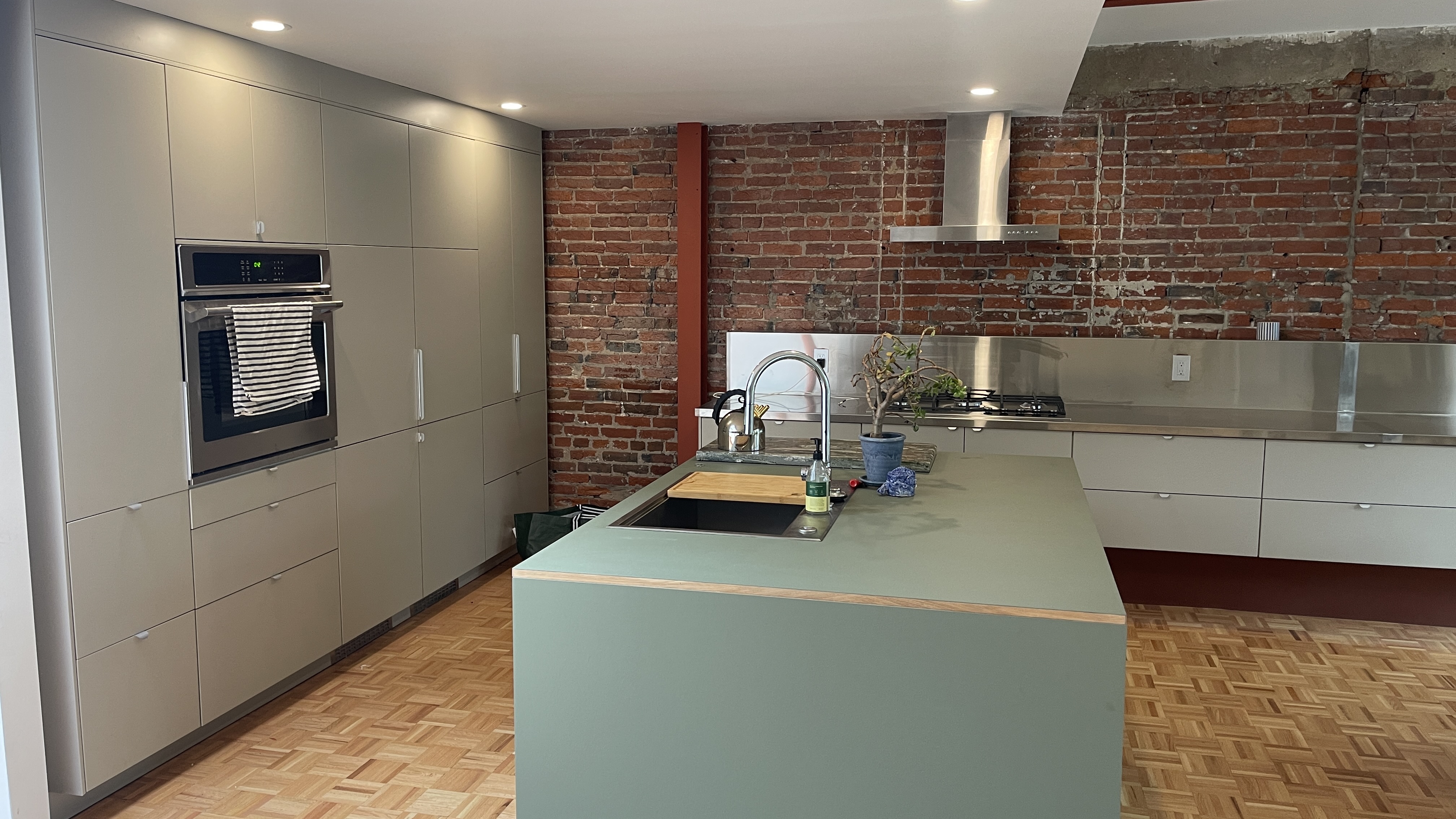
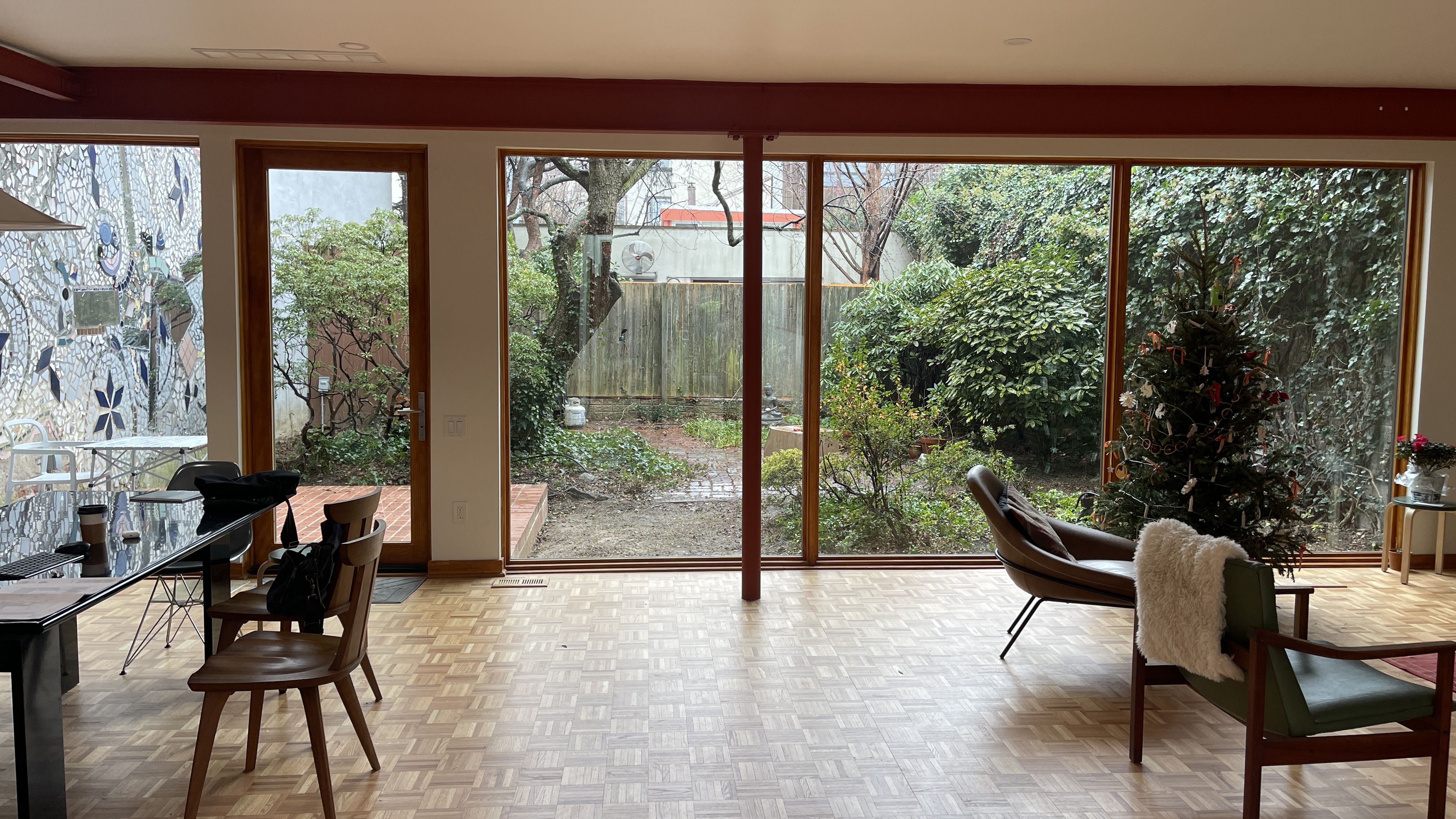
Our Queen Village property rehab shows the approach: a full renovation with a second-floor addition, two blocks off the Delaware, rebuilt to the client's taste while working with the building's age instead of fighting it.
Plan Your Queen Village Project in Minutes.
Four quick questions, no obligation — the fastest way to get a real ballpark before we ever visit.
Services in Queen Village
Queen Village work leans on our kitchen and bathroom remodeling — the rooms these old houses most need modernized — and on whole-home renovations and additions like our Queen Village rehab. Old structures also mean careful structural framing work: sistering irregular joists and correcting two centuries of settling without disturbing what's sound. Every project here runs through our general contracting discipline — permits, review boards, and trades under one accountable roof.
[ Local Proof ]
Projects in Queen Village.
-
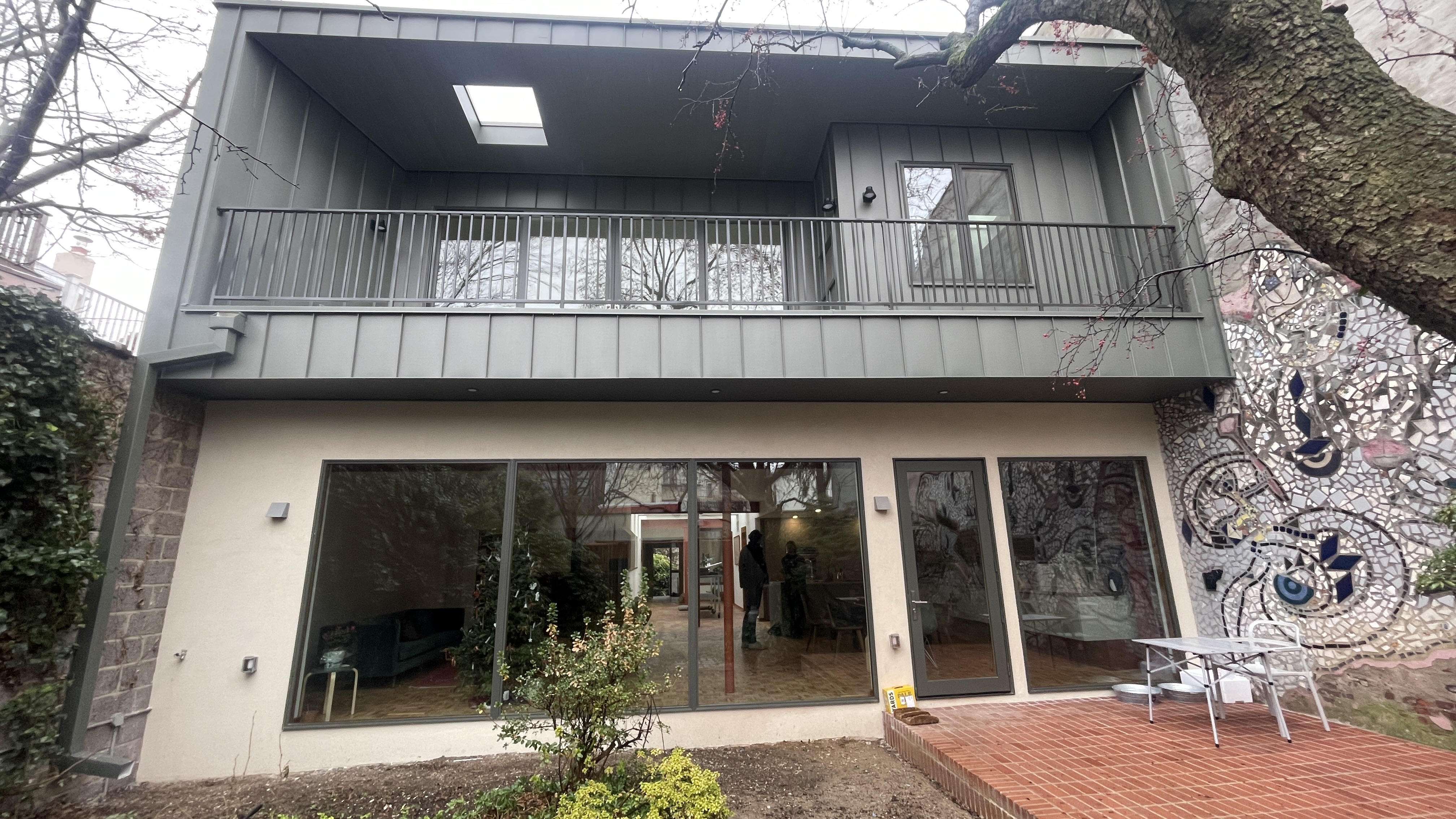 Property Rehab · Queen Village
Property Rehab & Addition
Full rehab with a second-floor addition — custom kitchen, rebuilt to the client's taste.
View this project -
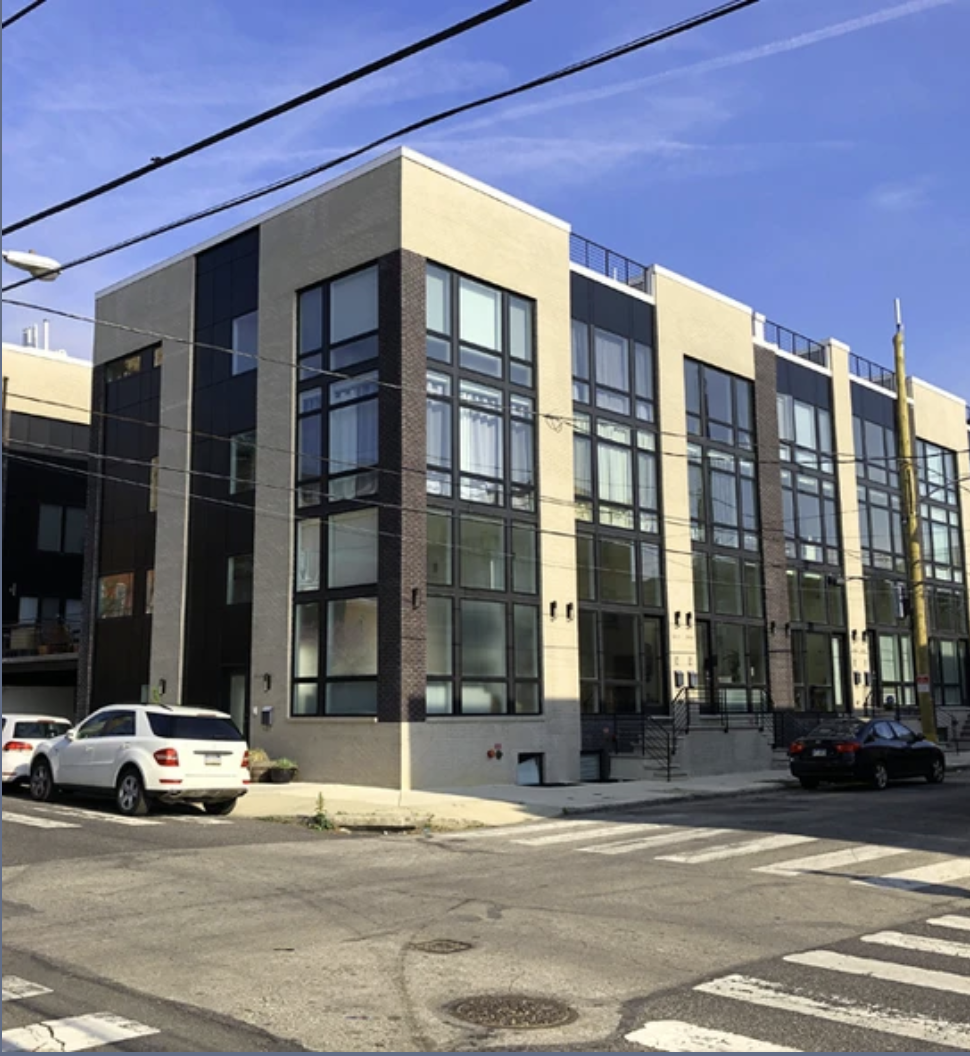 Nearby · Fishtown
Custom Home Build
Large full build up in Fishtown — the same crew and standards, newer bones.
View this project -
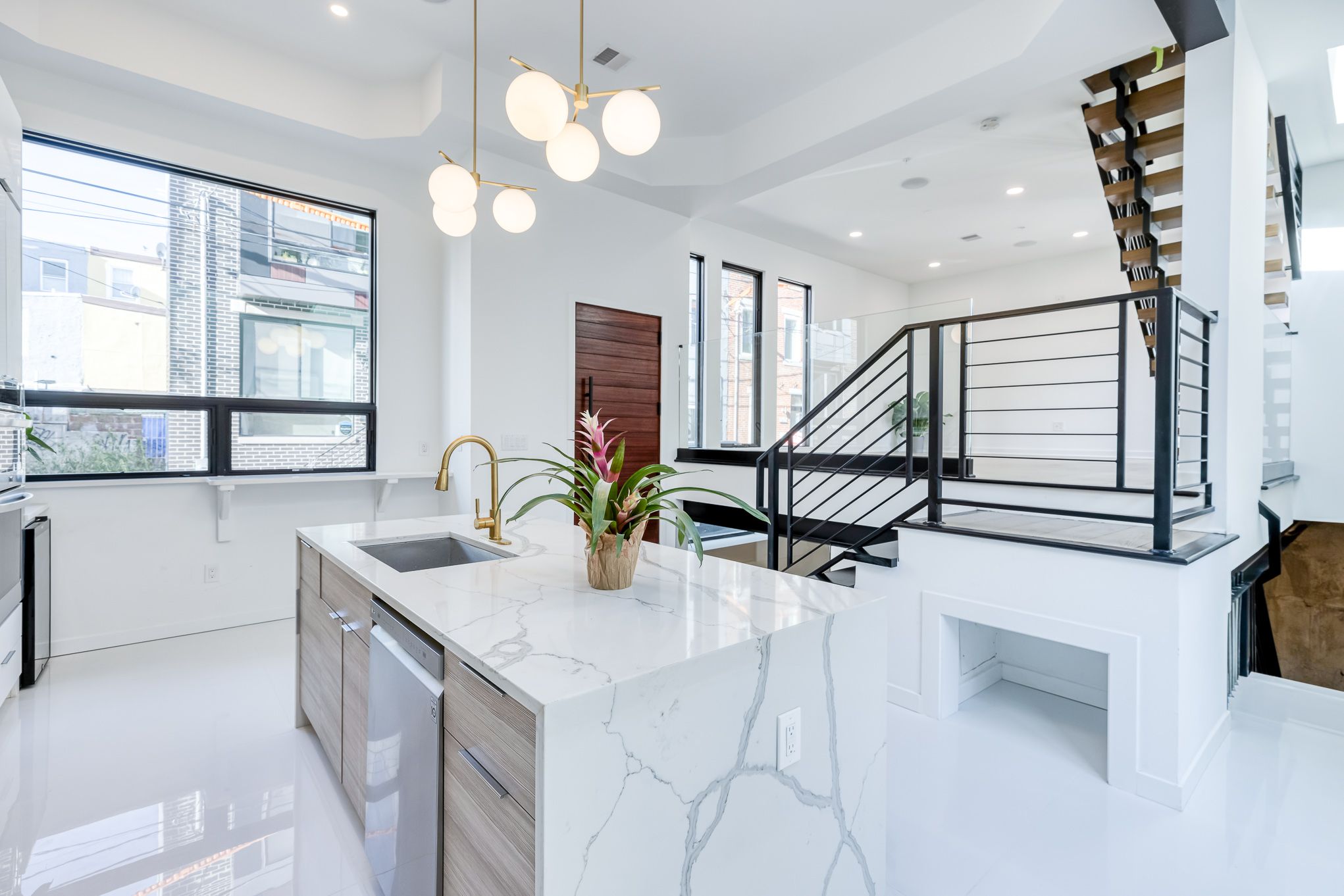 Nearby · Kensington
Luxury Custom Townhome
Fully custom build showing the finish level we bring to old-house renovations.
View this project
[ Questions ]
Queen Village Answers.
How much does it cost to renovate a historic Queen Village home?
Kitchens and bathrooms in Queen Village typically land between $35,000 and $80,000 — older structures trend higher than newer rowhomes — and whole-home renovations of historic houses usually run $200,000 to $400,000. Every estimate is free, itemized, and priced from walking the actual building.
Do you serve Queen Village?
Yes. Our Queen Village rehab — a full renovation with a second-floor addition — is two blocks off the Delaware. We take on renovations, additions, and kitchen and bath work throughout the neighborhood.
Can you work on historic-district blocks?
Yes. Parts of Queen Village fall under historic review, where exterior changes need approval before permits are issued. We build the review timeline into the schedule and design exterior work to satisfy both the commission and you. Which specific blocks are designated varies — we confirm your address's status during the estimate.
What's different about renovating a 200-year-old house?
Almost everything. The framing may be hand-hewn and irregular, walls are rarely plumb, the brick is softer than modern masonry and needs gentler mortar, and past renovations from every era are layered inside the walls. It rewards craftsmanship and punishes speed — the two-day tile guy does real damage in a house like this. We work slowly where the house demands it and tell you honestly which original elements are worth saving.
Nearby Neighborhoods
North along the river, Center City brings the same finish expectations in condo and high-rise form. Our home base and heaviest project concentration sit up in Fishtown and the River Wards — the full map is on our service areas page.
Renovating in Queen Village?
Free estimates. Craftsmanship first. A builder who picks up the phone.
Ask about financing options when you call.